EasyBuild has been accepted to join the High Performance
Software Foundation (HPSF). The vote of the HPSF Technical Advisory Council to let EasyBuild
join HPSF at the Core stage was overwhelmingly positive.
In this blog post we outline what has happened so far, why we are joining HPSF, and what's next.
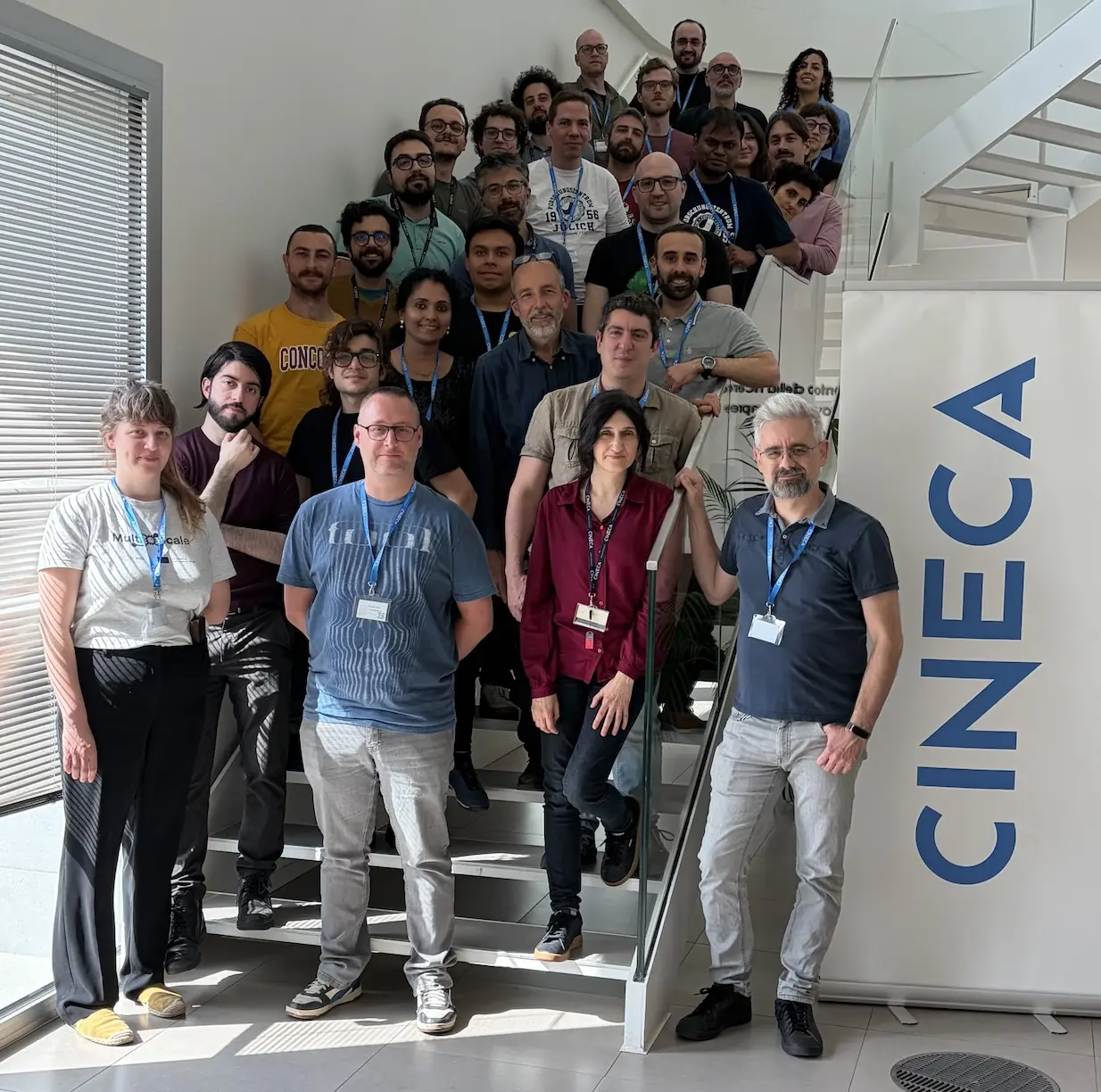
A joint EasyBuild, EESSI, and Spack tutorial + hackathon
was organised in Bologna (Italy) on 19-21 May 2026. It was hosted by CINECA, who operate
the Leonardo EuroHPC JU supercomputer, and was co-organised
by representatives of the MaX and MultiXscale EuroHPC Centres-of-Excellence.
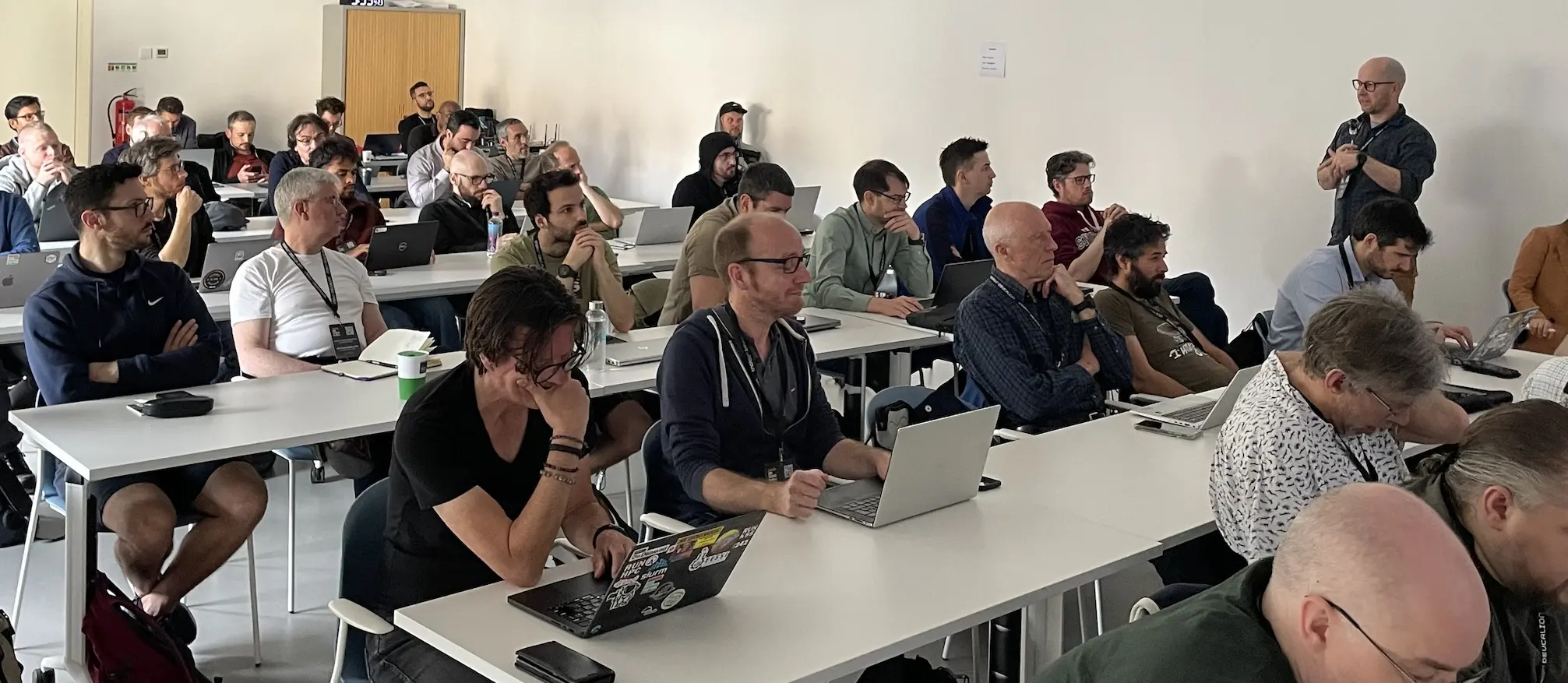
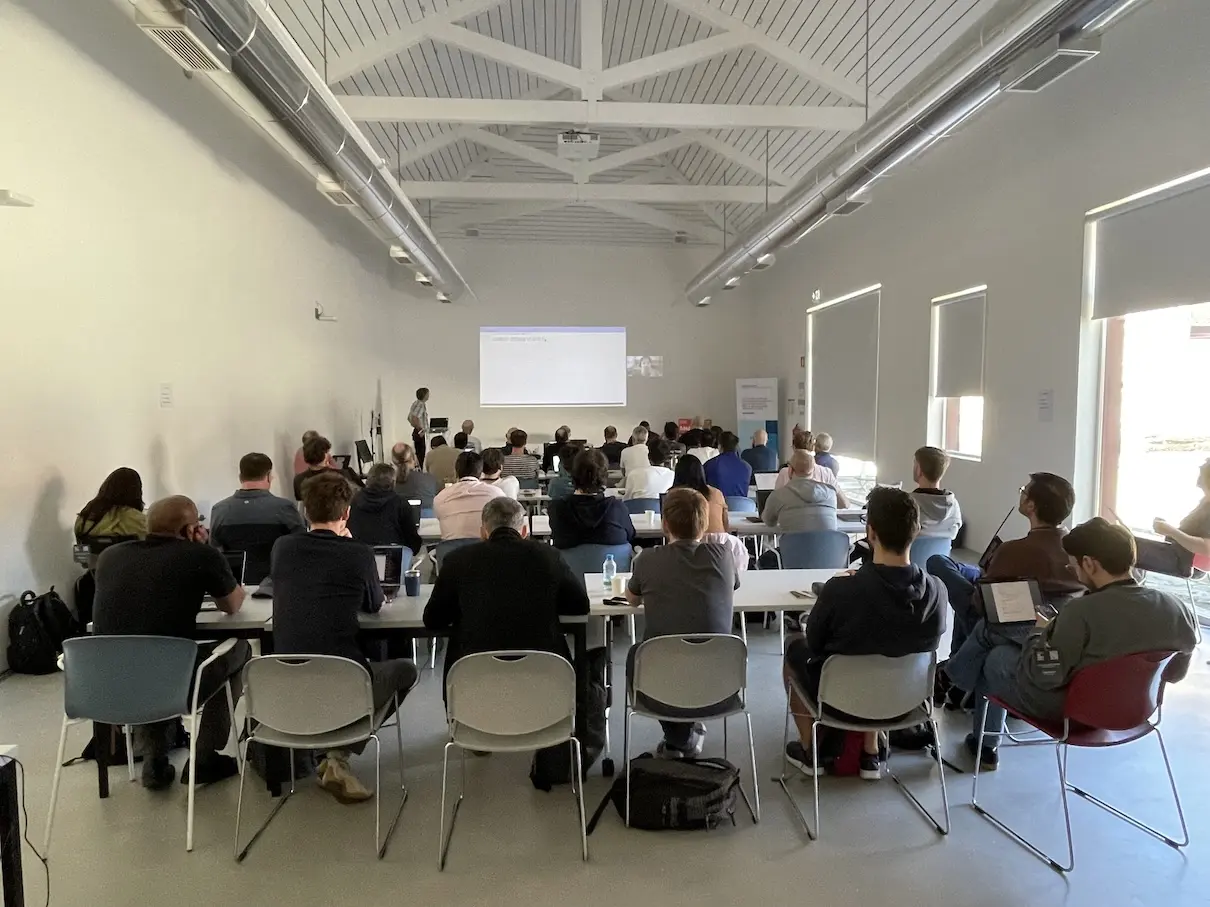
The event featured presentations by core developers of all three projects, and allowed attendees
from CINECA, MaX, ECMWF, and the EBRAINS project
to freshen up their knowledge, learn about recent developments, and gain extensive hands-on experience
while having direct access to experts.
Although EasyBuild, EESSI, and Spack already have well-established communities for a long time, even over a decade
for both EasyBuild and Spack, a joint event that brings together their communities like this was a first.
Slides and recordings of all presentations are available.
On day 3 of the 11th EasyBuild User Meeting (EUM'26), we shifted our focus a bit towards
EESSI, and also featured a guest keynote speaker from Fujitsu. Attendees
actively engaged in discussions, which made it more challenging to stick to the schedule.
This blog post covers the third day of the 3-day event, see also day 1 and day 2.
On the second day of the 11th EasyBuild User Meeting (EUM'26), we had a busy agenda
consisting of more EasyBuild site talks, a discussion on the use of LLMs,
presentations focusing on recent developments in EasyBuild, and looking over the fence to
other projects: Spack, Slinky, EPICURE, Lmod, and flux.
This blog post covers the second day of the 3-day event, see also day 1 and day 3.
The EasyBuild community (and beyond) gathered again to learn more about recent developments,
letting HPC sites that use EasyBuild showcase how they are doing so, attend presentations on
projects (loosely) related to EasyBuild, and discuss the future of EasyBuild,
including the (potential) impact of LLMs.
One of the big enhancements in EasyBuild v5 is the support for starting an interactive shell to debug failed builds
by simply running the auto-generated cmd.sh script.
We would all prefer that no installation ever fails, but there will be times when they do.
The new interactive shell feature provides a way to explore the build environment and debug the failure.
This first blog post reports on the 10th EasyBuild User Meeting (EUM'25),
which took place 25-27 March 2025 at the Jülich Supercomputing Centre (JSC) in Germany.
Slides of all talks are available here,
recordings via YouTube.